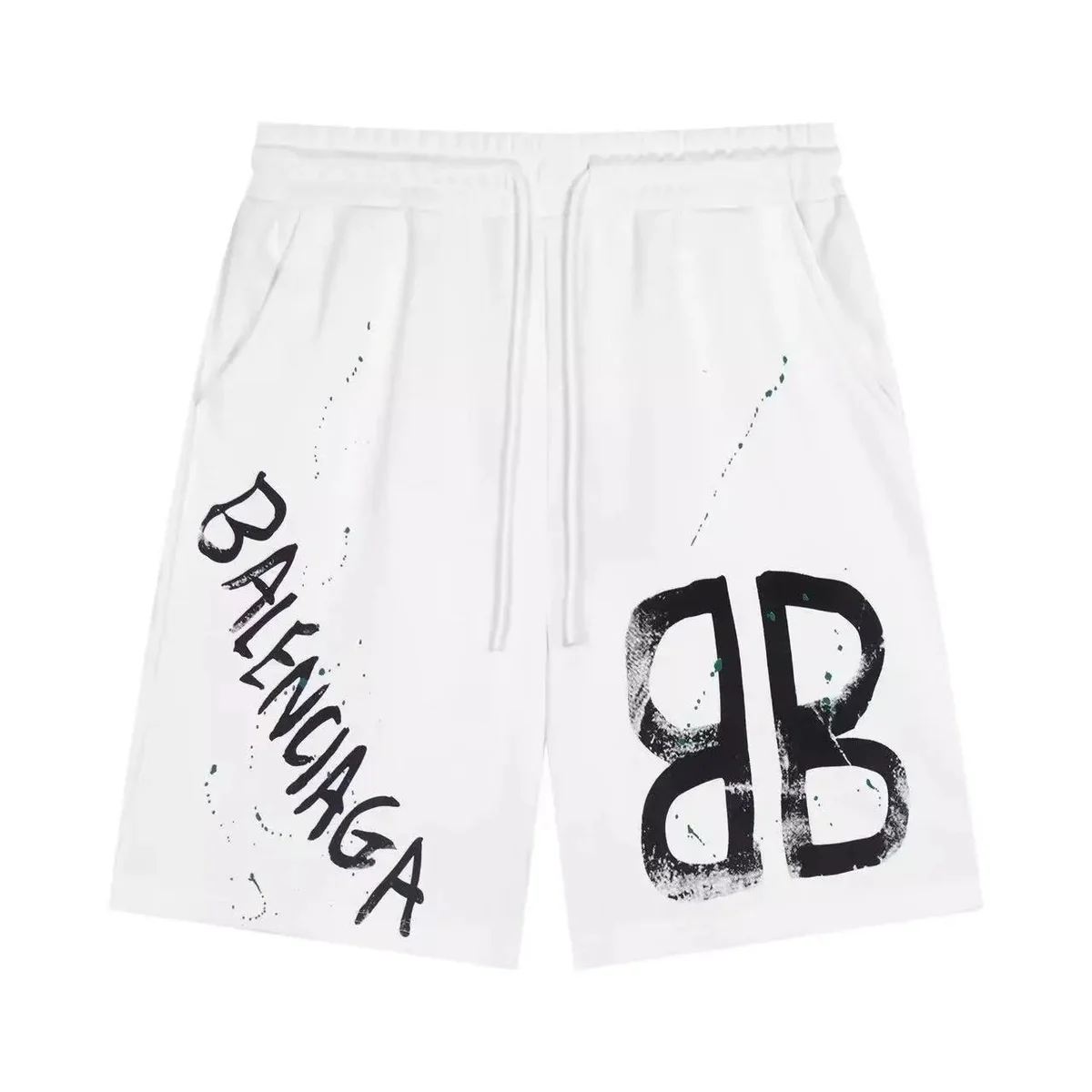
01Read waist, rise and length as separate measurements
UNIQLO’s illustrated methods separate garment waist, front rise, inseam and skirt length. Check whether the seller provides a flat waistband width or a circumference, and whether an elastic waistband was measured relaxed or stretched.
Measure a comparable item you own using the seller’s endpoints. For trousers and jeans, add thigh and hem width if leg shape matters. For skirts, compare waist, hip and total length. A waist size that matches does not settle where the hem or waistband will sit.
Method reference: UNIQLO: illustrated measuring methods ↗
02Measure the inside leg instead of guessing from height
UNIQLO’s inseam guide measures a flat pair of trousers along the inside leg from the crotch seam to the hem. Keep that dimension separate from total outside-leg length. Check the listing’s measuring diagram when its cut or crotch construction differs.
For shorts, write down both inseam and total length if you care about coverage. For jeans, check the listed length for the exact waist option. Before planning an alteration, confirm whether it would affect a cuff, print, zipper or other detail you want to retain.
Method reference: UNIQLO: how to measure inseam ↗
03Check closures, pockets and the chosen wash
Keep the selected colour or denim wash in your order record, then compare front and back views. Ask for a close-up of the fly, drawstring, pocket opening or skirt fastening when it is hidden. Check that a removable belt or accessory is actually included.
If stretch, lining or fabric composition affects your choice, request the item’s material information. A photograph cannot establish those properties or how the garment will behave after washing. Resolve missing chart values before choosing on a headline size label.
These are editorial comparison checks, with official method sources linked above. Brand charts explain their own methods; use the exact seller’s chart for the products here. We have not worn, measured or independently tested these items.