01Measure the head where the hat will sit
Nike’s headwear guide measures head circumference around the intended wearing position, about 2.5 cm above the eyebrows. Keep that measurement in the same unit as the selected seller’s range. Nike’s own size labels apply to its chart, not automatically to a separate listing.
If a product is marked “one size”, ask for its actual range and whether the range describes an adjustable or fixed opening. Keep crown depth as a separate preference: matching circumference does not tell you how high or low the cap will sit.
Method reference: Nike: head-circumference measuring method ↗
02Check the cap closure or the beanie’s measuring condition
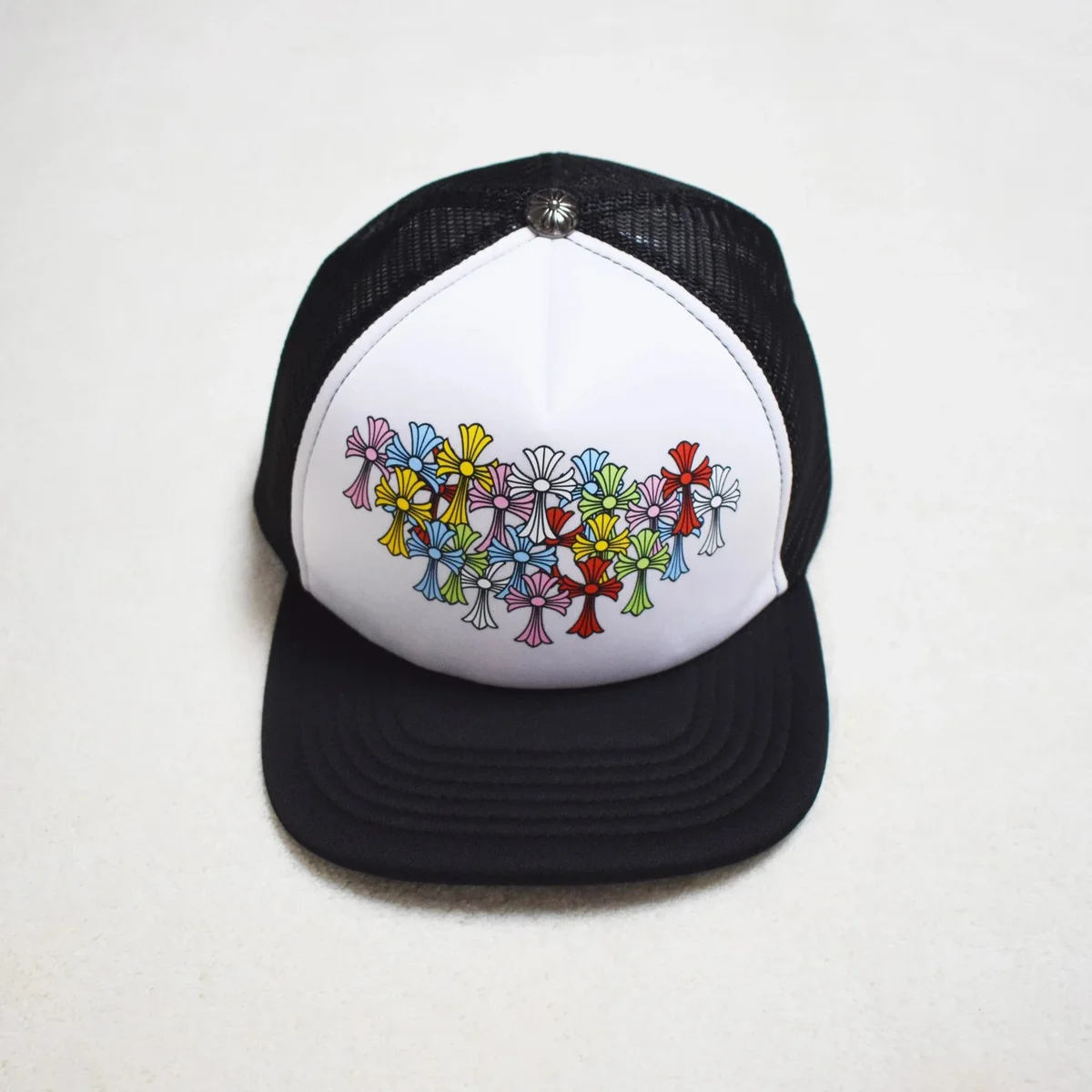
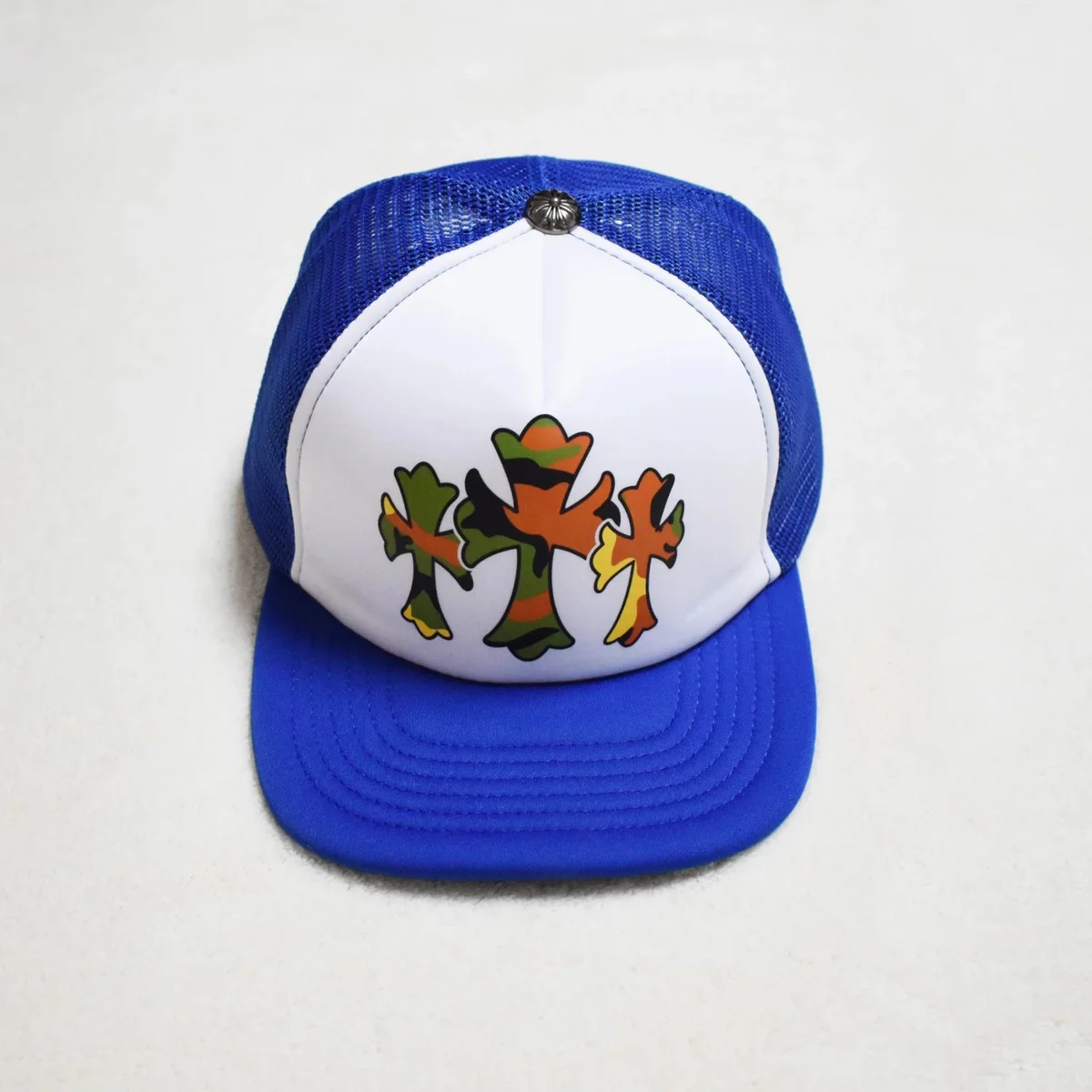
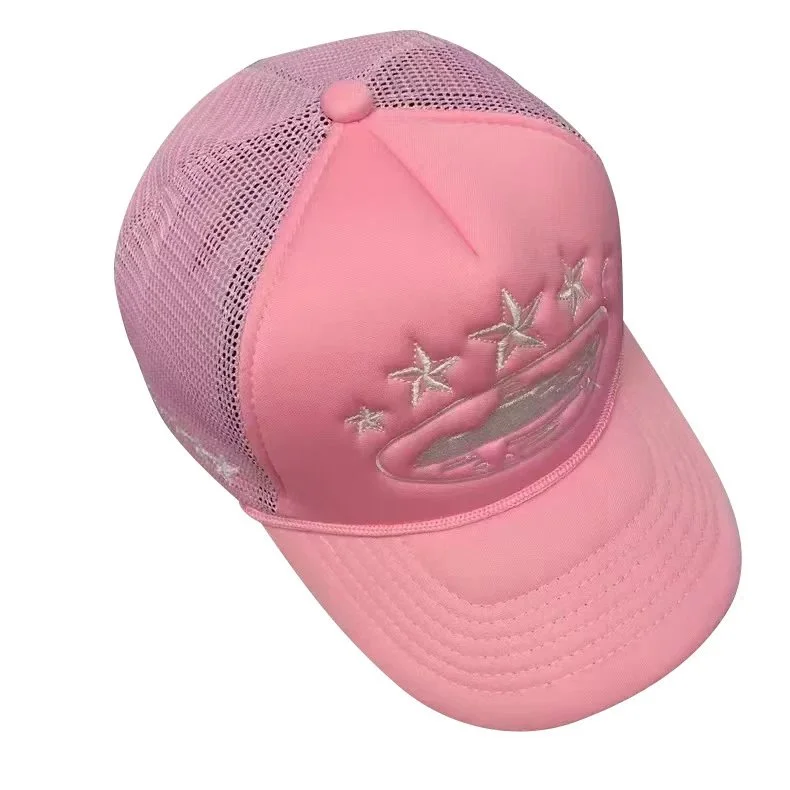
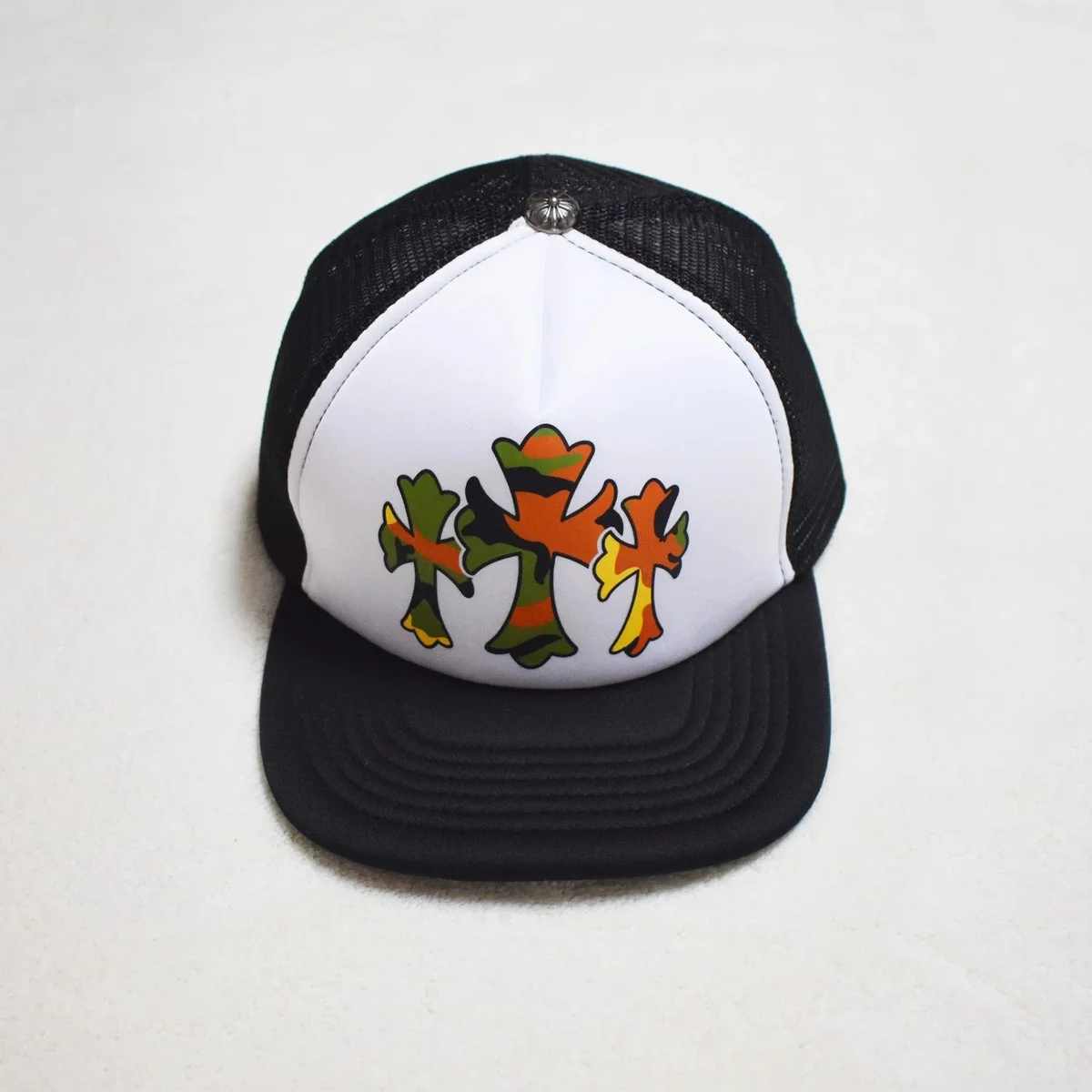
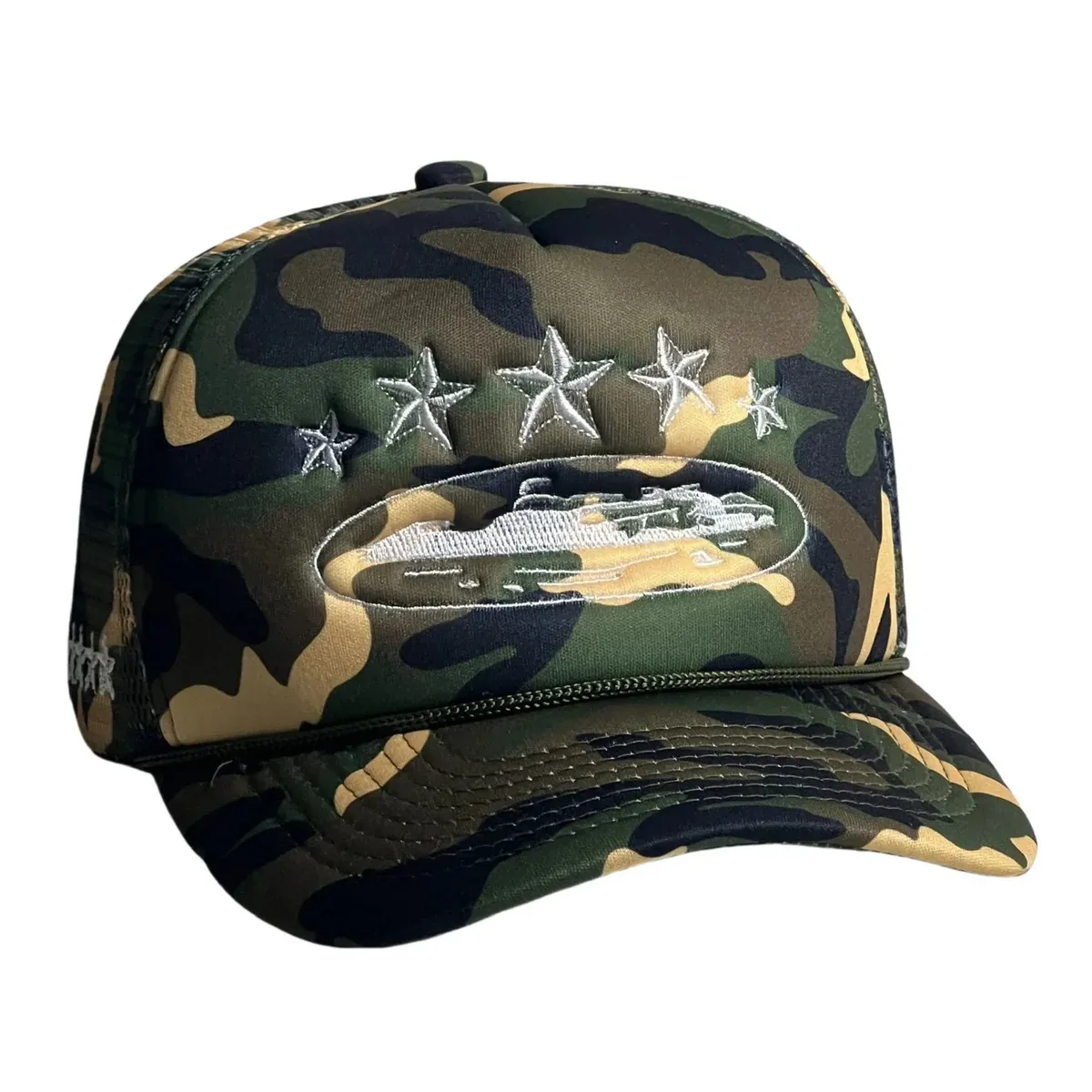
For caps, ask for a rear view showing the actual buckle, strap or snap adjustment. Record the usable range rather than just whether the listing says “adjustable”. Compare the brim and crown with a cap you already wear comfortably.
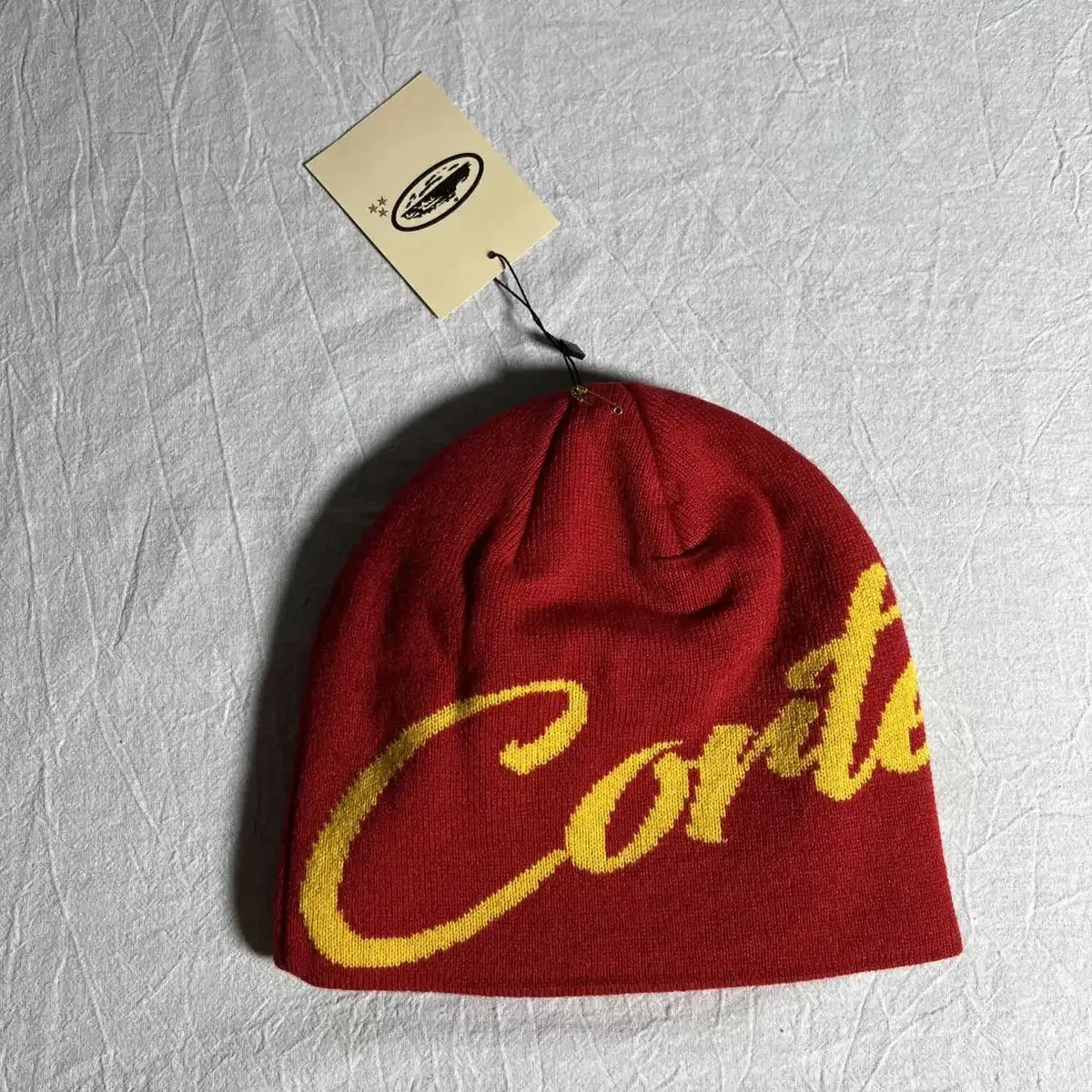
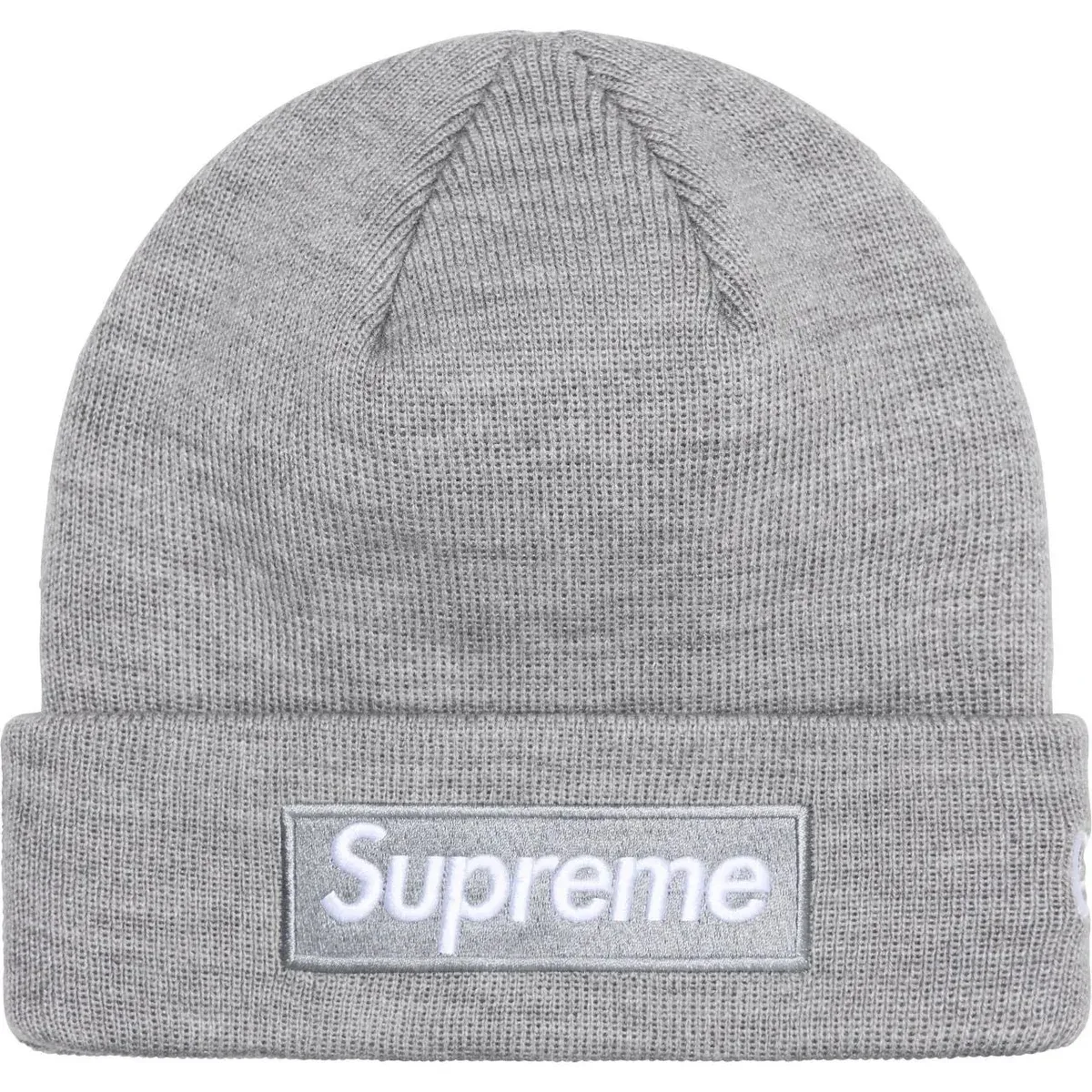
For beanies, ask whether the dimensions were taken relaxed or stretched and whether the cuff was folded. Record the fold you intend to wear. A relaxed flat width alone does not establish a wearing range or the elasticity of the knit.
03Compare the front, back and inner band
Match your chosen colour and front design with the order photos. Ask for the inner band and rear closure when they are hidden. For a beanie, compare the cuff and the position of its design with the exact option you ordered.
Request composition and care information if warmth or washing matters. A knit appearance does not identify fibre content. If retaining a structured cap’s crown is important, tell the agent before parcel packing and ask how that shape will be protected.
These are editorial comparison checks, with official method sources linked above. Brand charts explain their own methods; use the exact seller’s chart for the products here. We have not worn, measured or independently tested these items.