01Compare garment measurements before choosing a letter size
UNIQLO distinguishes body measurements from finished-garment measurements. For a product chart, lay a similar garment flat and compare chest width, body length, shoulder width and sleeve length using the same endpoints. Keep all values in one unit.
Write down whether the sleeve starts at the shoulder seam or centre back. A dropped shoulder changes that starting point. An S or M label and an “oversized” description cannot replace a comparison with the actual chart for the chosen item.
Method reference: UNIQLO: product sizes and garment measurements ↗
02Choose the construction and material details you need
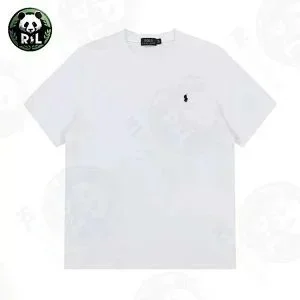
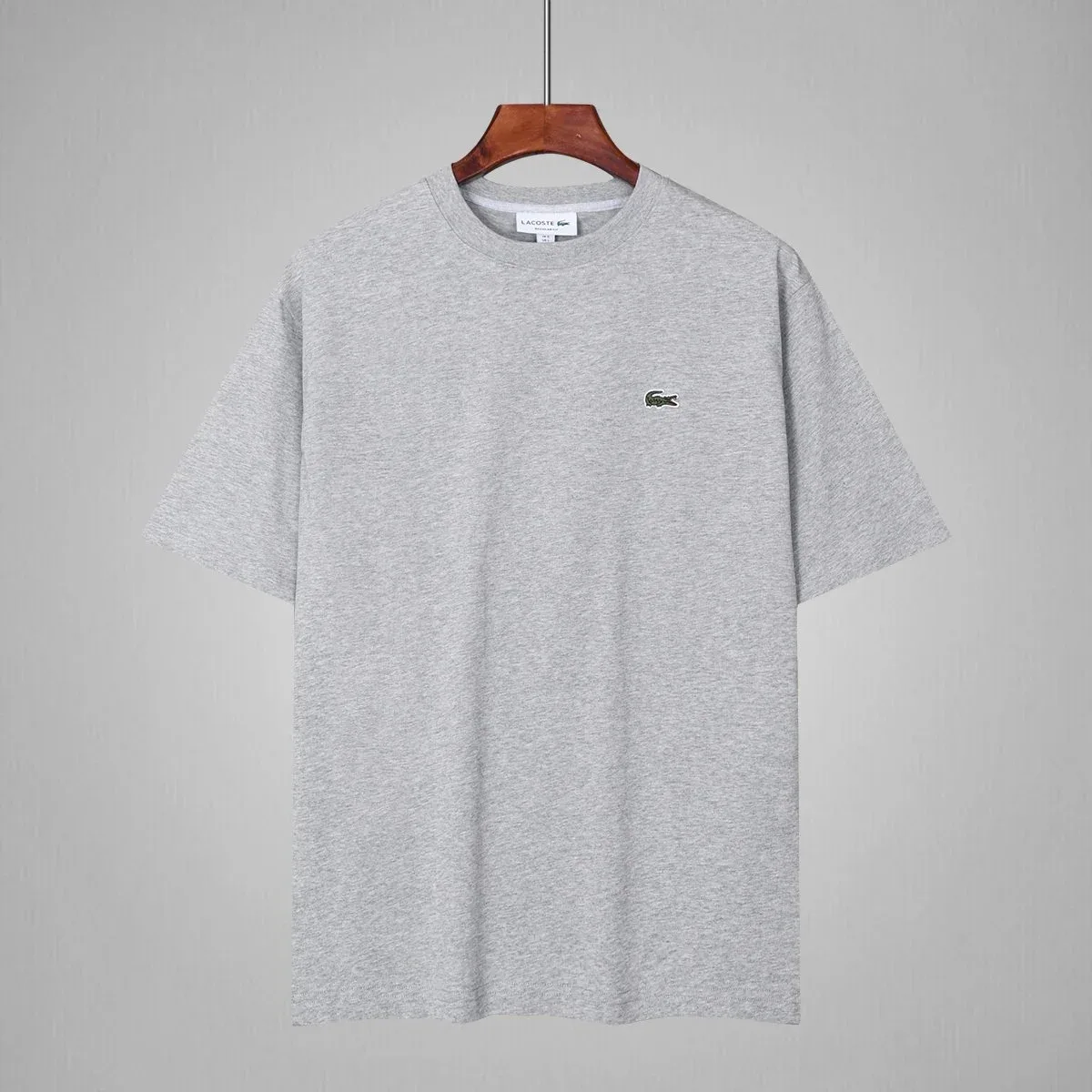
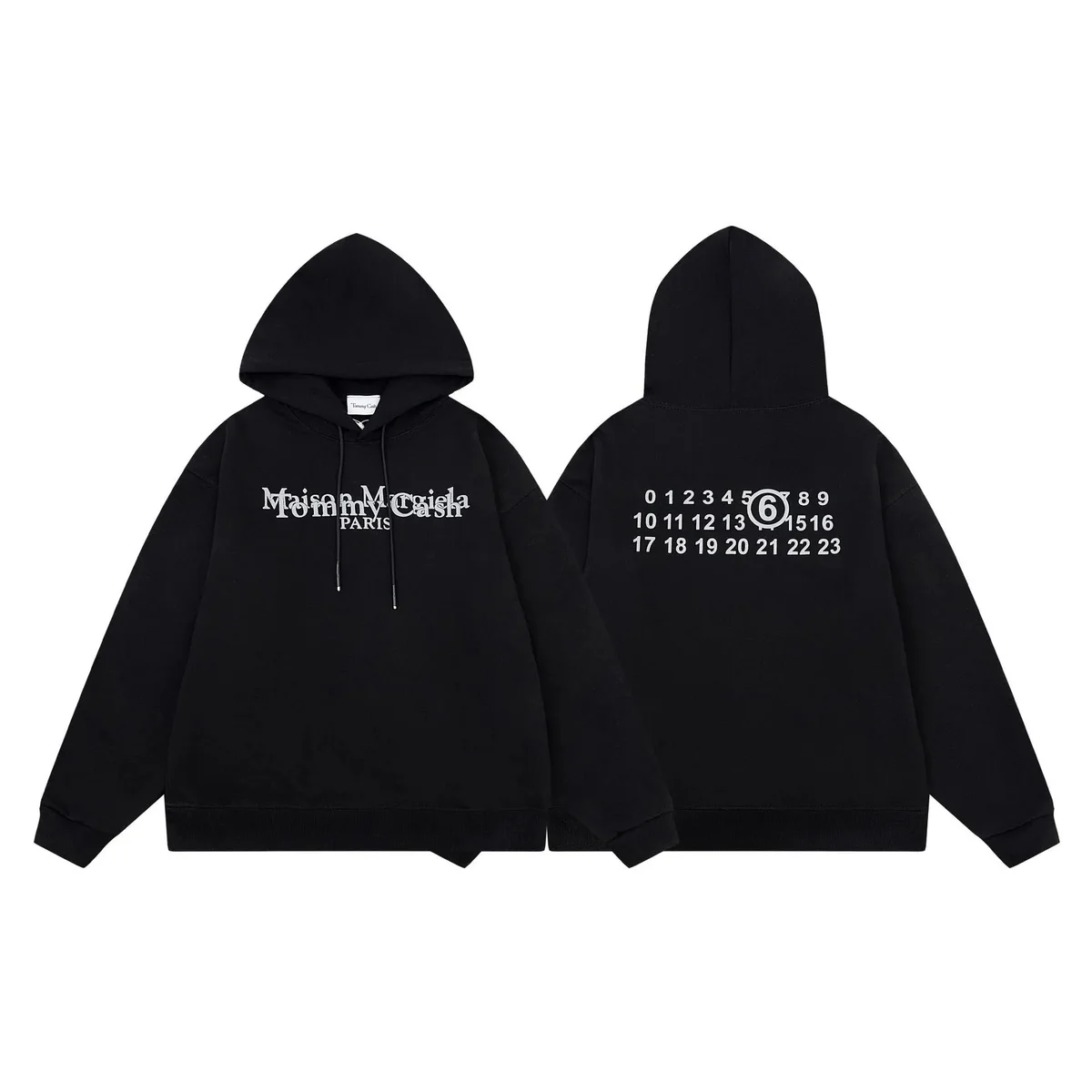
For T-shirts, record the neck shape and whether artwork is on the front, back or both. For hoodies, compare pullover versus full zip, pockets and hood construction. For knitwear, compare neckline, cuffs and button openings against how you plan to layer it.
Ask for the selected option’s fibre composition and care label if washing or warmth matters. A close-up can show the knit pattern or print placement, but cannot establish fabric weight, shrinkage or print durability. Keep these questions separate from the visible design.
03Check your own garment when it reaches the warehouse
Match the colour, size and artwork option with your order record. Ask for the garment to be unfolded if a print or fastening is hidden. A cuff, hem or zipper close-up is useful when it answers a feature-specific concern.
When the measurement method is unclear, send the seller’s diagram with your request and identify the chest-width and length endpoints. Read the current service terms before requesting extra photos. Keep any unresolved size or option mismatch with the order before arranging shipping.
These are editorial comparison checks, with official method sources linked above. Brand charts explain their own methods; use the exact seller’s chart for the products here. We have not worn, measured or independently tested these items.