01Start with foot length and the correct size system
Nike’s footwear guide measures both feet on a flat surface and uses the longer measurement. It also distinguishes foot length from the CM/JP number printed on a shoe box. Record the measurement in centimetres, then use the selected seller’s chart for that specific pair.
Keep EU, UK and US labels separate, including whether the chart is for men, women or children. For boots, ask about the shaft opening and fastening; for loafers, ask about available widths. A familiar sneaker size alone leaves these fit questions unanswered.
Method reference: Nike: footwear sizing and foot-length method ↗
02Match the shoe type to your intended use
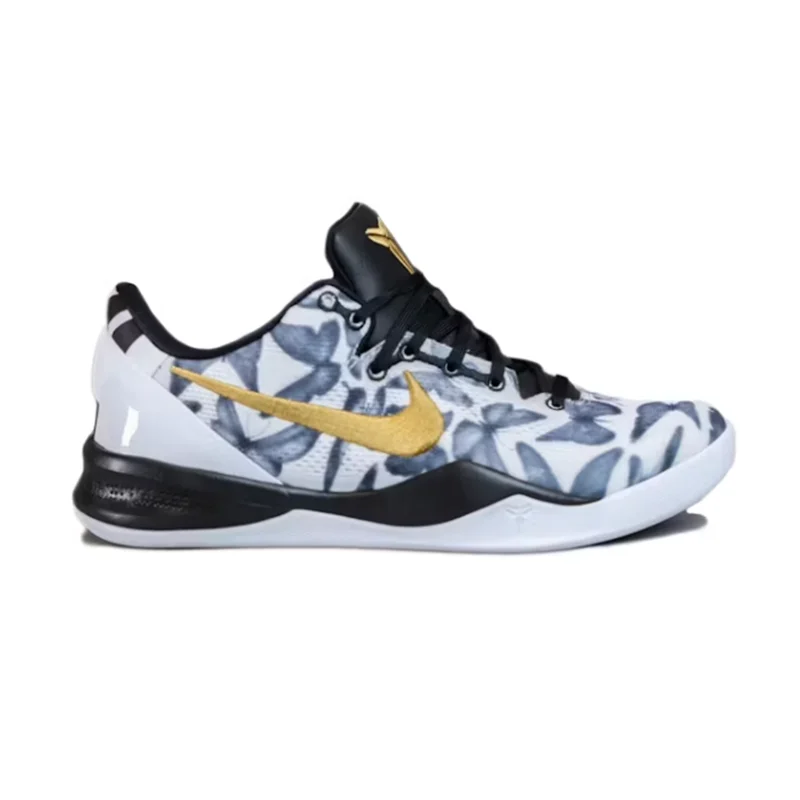
Shortlist the style first: a lace-up sneaker, a closed boot, a slip-on loafer or an open sandal. Compare how each closes, where it covers the foot and what socks you intend to wear. For sandals, check the adjustment points and the seller’s footbed measurements.
If you need grip, cushioning or wet-weather use, ask for the exact model’s documented specifications. Sole shape and a catalog title do not establish those properties. Keep missing answers beside the item before choosing between visually similar pairs.
03Use order photos to resolve a specific question
Compare the size label, colour, toe, heel and outsole against your ordered option. Request the inside of a boot or the buckle of a sandal when that part is hidden. Name the view you need rather than asking for a general quality verdict.
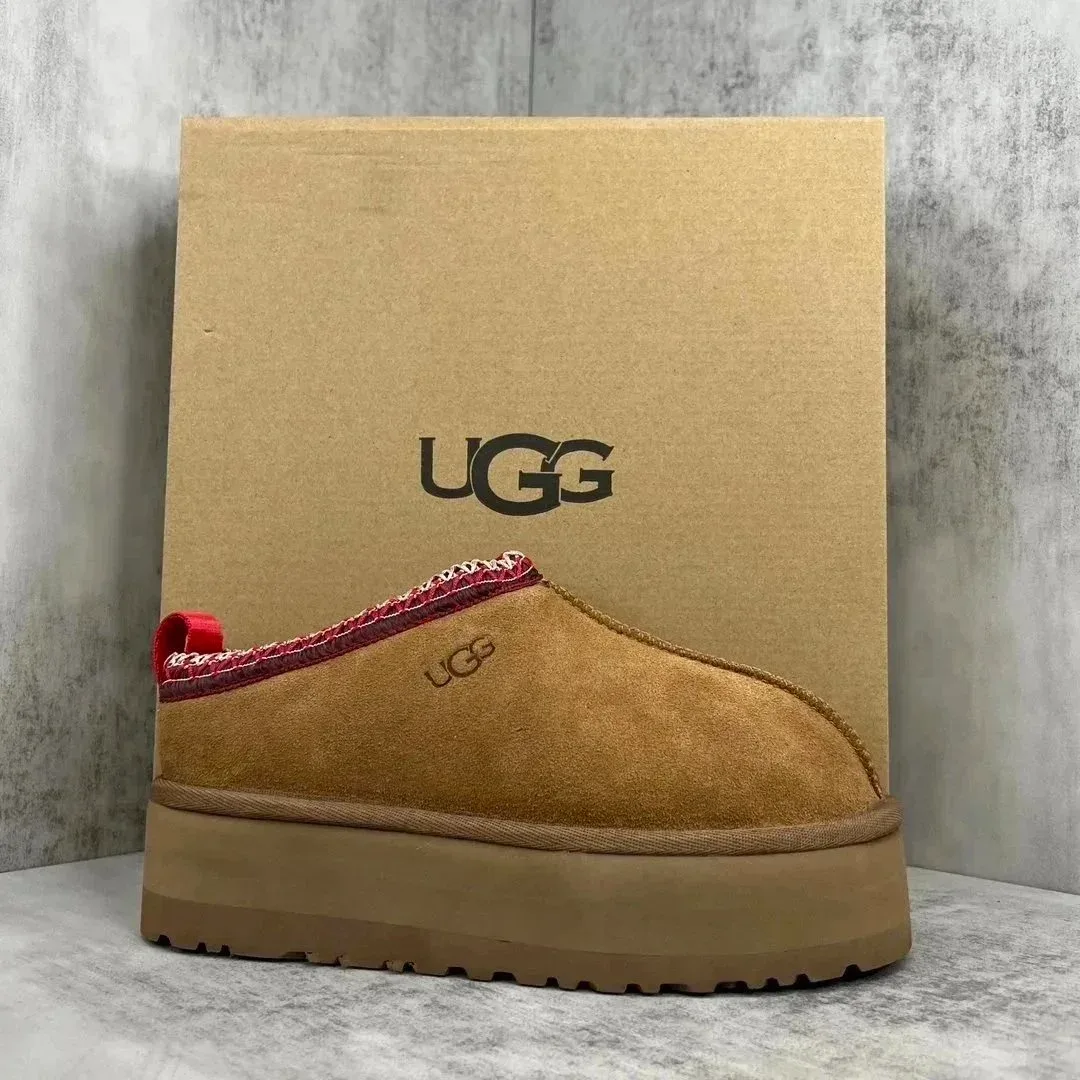
Confirm whether the box and accessories are included. Decide which packaging you need before asking for a parcel quote, and keep that packing choice with the estimate. If a measurement photo is needed, specify the endpoints and unit so the answer is comparable with the seller chart.
These are editorial comparison checks, with official method sources linked above. Brand charts explain their own methods; use the exact seller’s chart for the products here. We have not worn, measured or independently tested these items.